

Manage your Dubai property portfolio for optimal growth 2026
Managing an international property portfolio in Dubai’s rapidly expanding market presents unique challenges that can overwhelm even experienced investors. With property transactions reaching Dh917 billion in 2025, staying ahead requires strategic planning and execution. This guide delivers actionable frameworks to streamline operations, maximize returns, and position your portfolio for sustained growth throughout 2026.
Table of Contents
- Understanding Dubai’s Dynamic Property Market In 2026
- Preparation: Assessing Your Property Portfolio’s Current State
- Execution: Strategies For Efficient Management And Growth
- Verification: Monitoring Performance And Adjusting Your Portfolio
- Discover Expert Guidance On Managing Your Dubai Property Portfolio
Key takeaways
Understanding Dubai’s dynamic property market in 2026
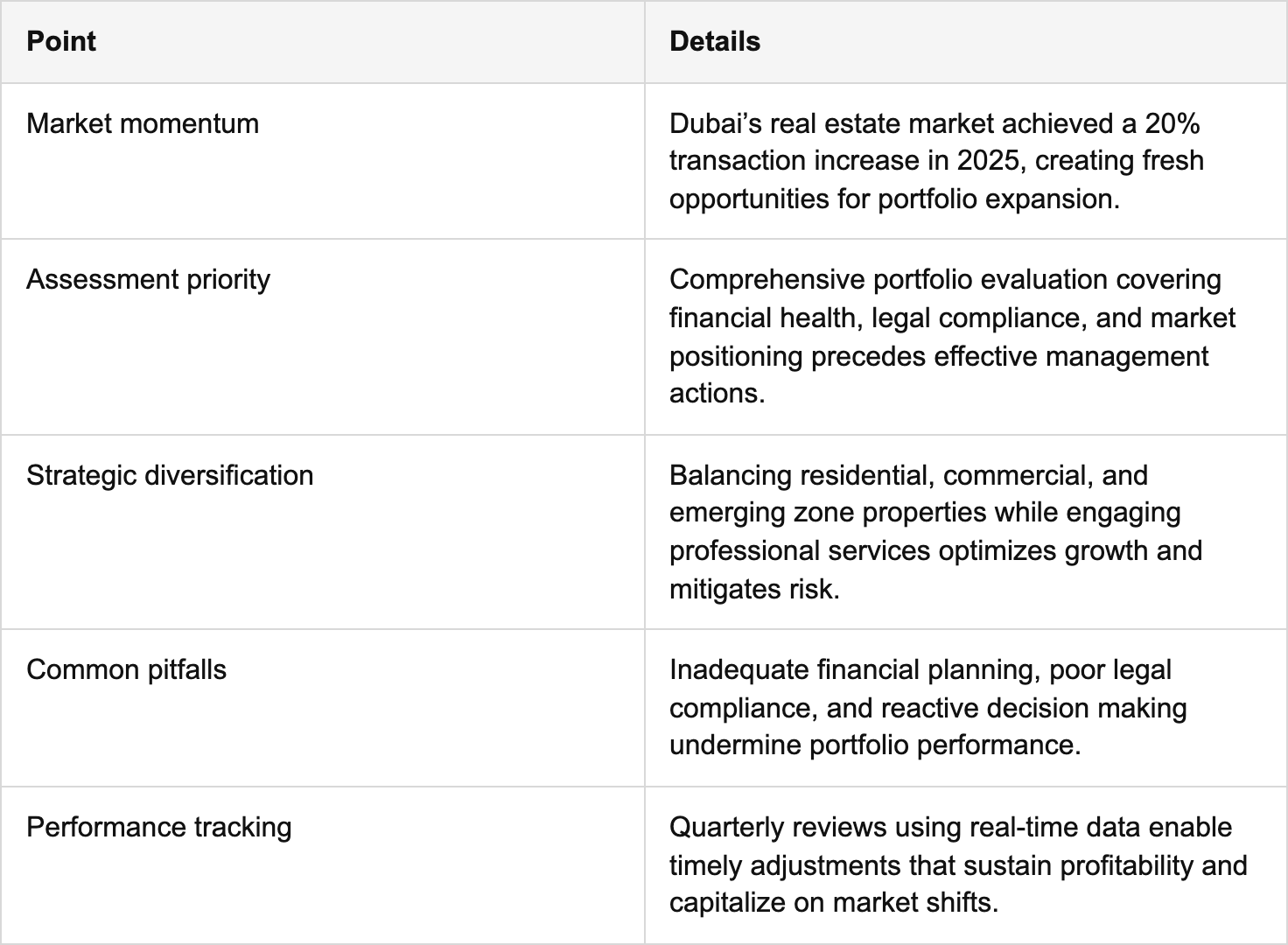
Dubai’s real estate landscape continues its upward trajectory as total transactions reached Dh917 billion in 2025, marking a 20% jump from the previous year. This growth stems from multiple converging factors that international investors must understand to make informed portfolio decisions. The Expo 2020 legacy projects continue delivering infrastructure upgrades while economic diversification initiatives attract global capital across sectors beyond oil.
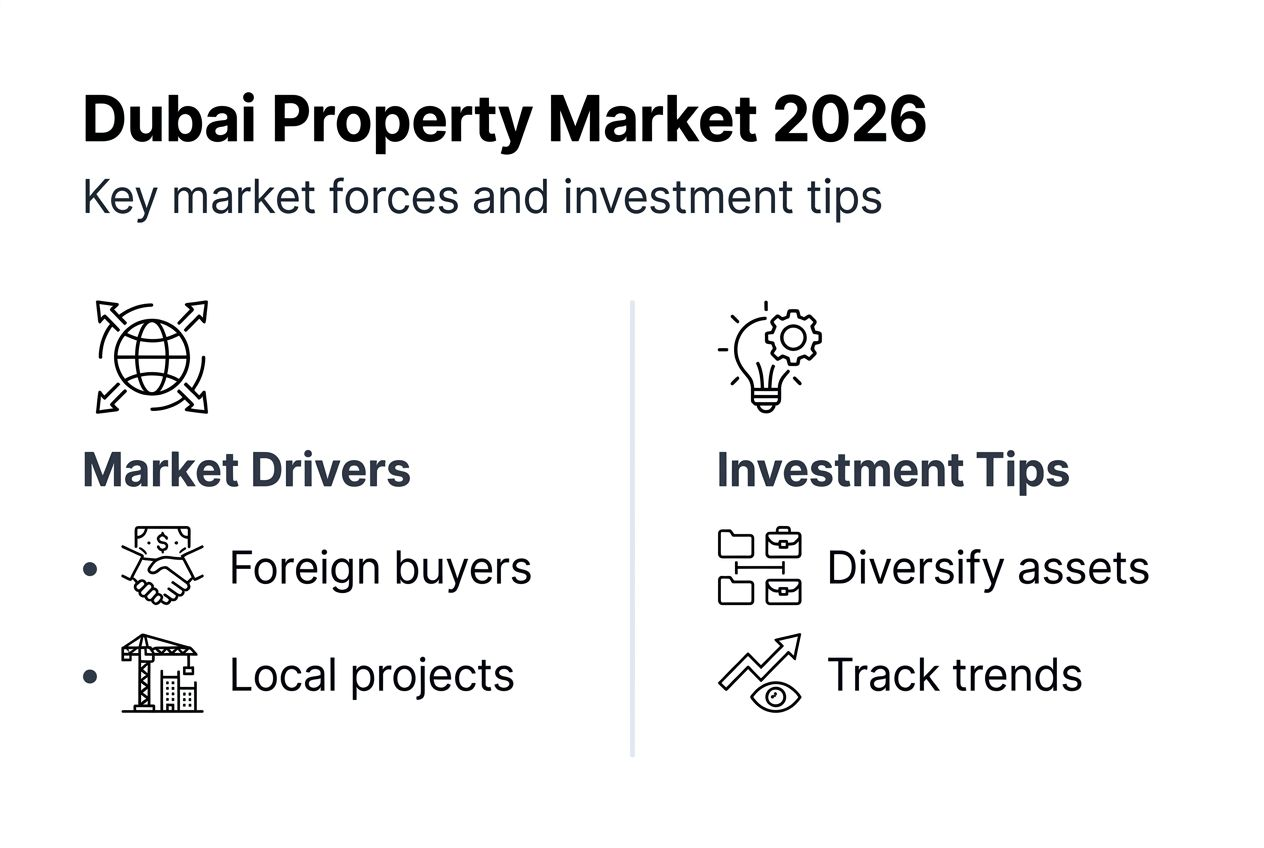
Several key drivers shape the current investment environment:
- Post-Expo infrastructure developments enhance connectivity and property values in previously overlooked zones
- Economic free zones and golden visa programs draw high-net-worth individuals seeking residency through real estate
- Government regulations evolve to balance market growth with investor protection and sustainable development
- Emerging neighborhoods offer higher yield potential compared to established premium areas
Understanding these Dubai real estate trends for 2026 helps you anticipate which property types and locations will outperform. Tracking regulatory changes, tax implications, and supply-demand dynamics in specific districts prevents costly missteps. Investors who align their portfolio composition with macro trends position themselves to capture appreciation while maintaining steady rental income streams.
The interplay between foreign investment appetite and local development priorities creates micro-markets with distinct risk-return profiles. Your portfolio management strategy must account for these variations rather than treating Dubai as a monolithic market. Recognizing why investing in Dubai real estate attracts global capital helps you evaluate whether your current holdings match your risk tolerance and growth objectives.
Preparation: Assessing your property portfolio’s current state
Before implementing any management changes, conduct a thorough portfolio audit across financial, legal, and market dimensions. Start by calculating your net operating income for each property, factoring in rental receipts, service charges, maintenance costs, and vacancy periods. This baseline reveals which assets generate positive cash flow versus those draining resources through hidden expenses or poor occupancy rates.
Your legal review should verify:
- Title deed accuracy and current ownership registration status
- Compliance with emirate-specific rental caps and tenant regulations
- Outstanding transfer fees, mortgage obligations, or property tax liabilities
- Lease agreement terms alignment with current market standards
Market positioning analysis examines how your properties stack up against comparable listings in their respective areas. Properties in high-demand zones with strong appreciation forecasts deserve reinvestment, while underperformers in stagnant markets may warrant disposal. Use recent transaction data from the Dubai Land Department to benchmark your property values against actual sale prices rather than listing prices.
Pro Tip: Create a simple scoring matrix rating each property on cash flow, appreciation potential, maintenance burden, and strategic fit. This visual tool clarifies which assets contribute to your goals and which create drag on overall portfolio performance.
Identify diversification gaps by mapping your holdings against property types, neighborhoods, and tenant profiles. Concentration risk emerges when too many properties share similar characteristics, exposing you to localized downturns. A balanced portfolio typically blends established areas offering stability with emerging zones providing growth potential, as detailed in guides on how to evaluate Dubai real estate opportunities.
Understanding why property valuation matters for Dubai investors in 2026 prevents overestimating your net worth and making acquisition decisions based on inflated equity assumptions. Professional appraisals provide objective market values that inform refinancing, selling, or holding strategies.
Execution: Strategies for efficient management and growth
With clear visibility into your portfolio’s strengths and weaknesses, implement targeted strategies that address specific gaps while capitalizing on opportunities. The Dh917 billion transaction volume in 2025 demonstrates robust demand that well-managed portfolios can capture through strategic positioning.
-
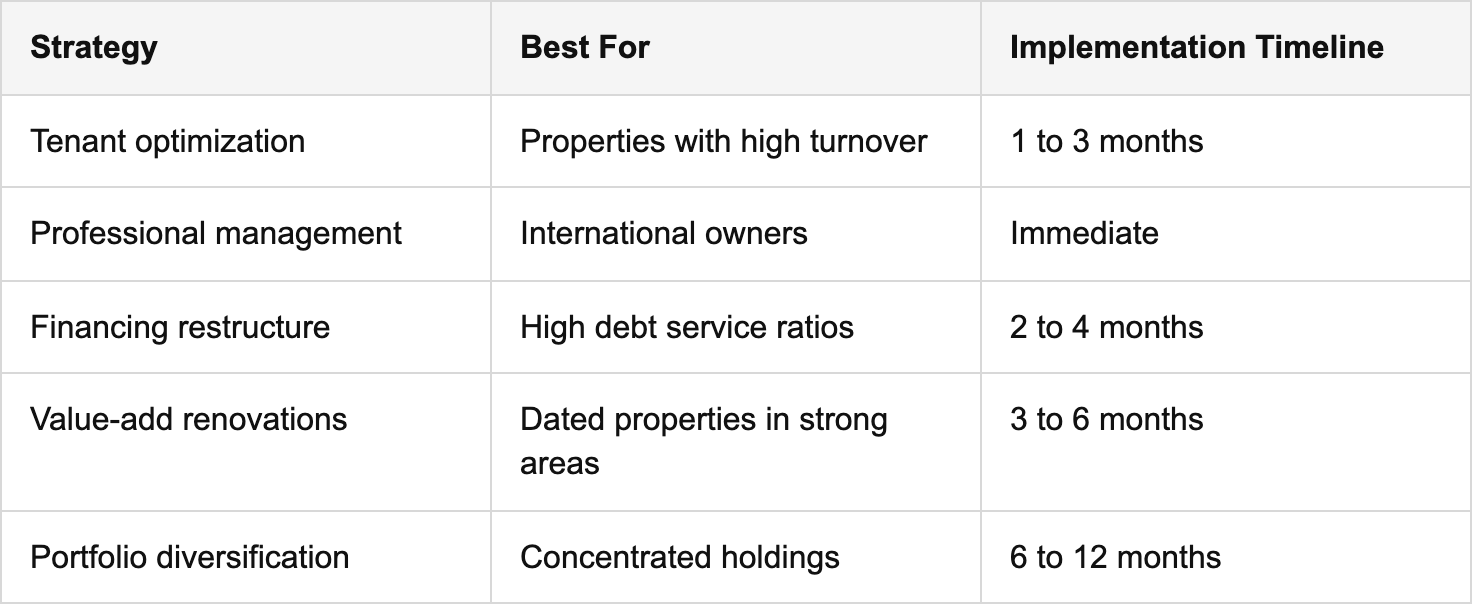
Optimize tenant acquisition and retention by screening applicants thoroughly, offering competitive lease terms for quality tenants, and maintaining properties to justify premium rents. High turnover erodes profitability through vacancy periods and make-ready costs.
-
Engage professional property management services to handle tenant communications, maintenance coordination, and regulatory compliance. International investors especially benefit from local expertise that navigates cultural nuances and legal requirements efficiently.
-
Restructure financing to improve cash flow by refinancing high-interest mortgages, consolidating loans across multiple properties, or leveraging appreciated equity to fund new acquisitions. Consult specialists who understand how to finance a property portfolio using creative structures.
-
Execute value-add renovations on underperforming properties by upgrading kitchens, bathrooms, or common areas to command higher rents and attract better tenant profiles. Target improvements that deliver measurable return on investment within 18 to 24 months.
-
Diversify across property categories and locations to spread risk while capturing growth across different market segments. Balance residential units providing steady income with commercial spaces offering higher yields but potentially longer vacancy periods.
Pro Tip: Before committing to major renovations, survey comparable upgraded units in your building or neighborhood to validate rental premium assumptions. Overspending on improvements that tenants don’t value wastes capital.
Learning how to manage property in Dubai effectively requires understanding local service provider networks, maintenance standards, and tenant expectations. Resources explaining Dubai property management help you evaluate whether to self-manage or delegate to professionals. Reviewing top Dubai investment strategies ensures your tactical decisions align with proven frameworks for maximizing returns.
Verification: Monitoring performance and adjusting your portfolio
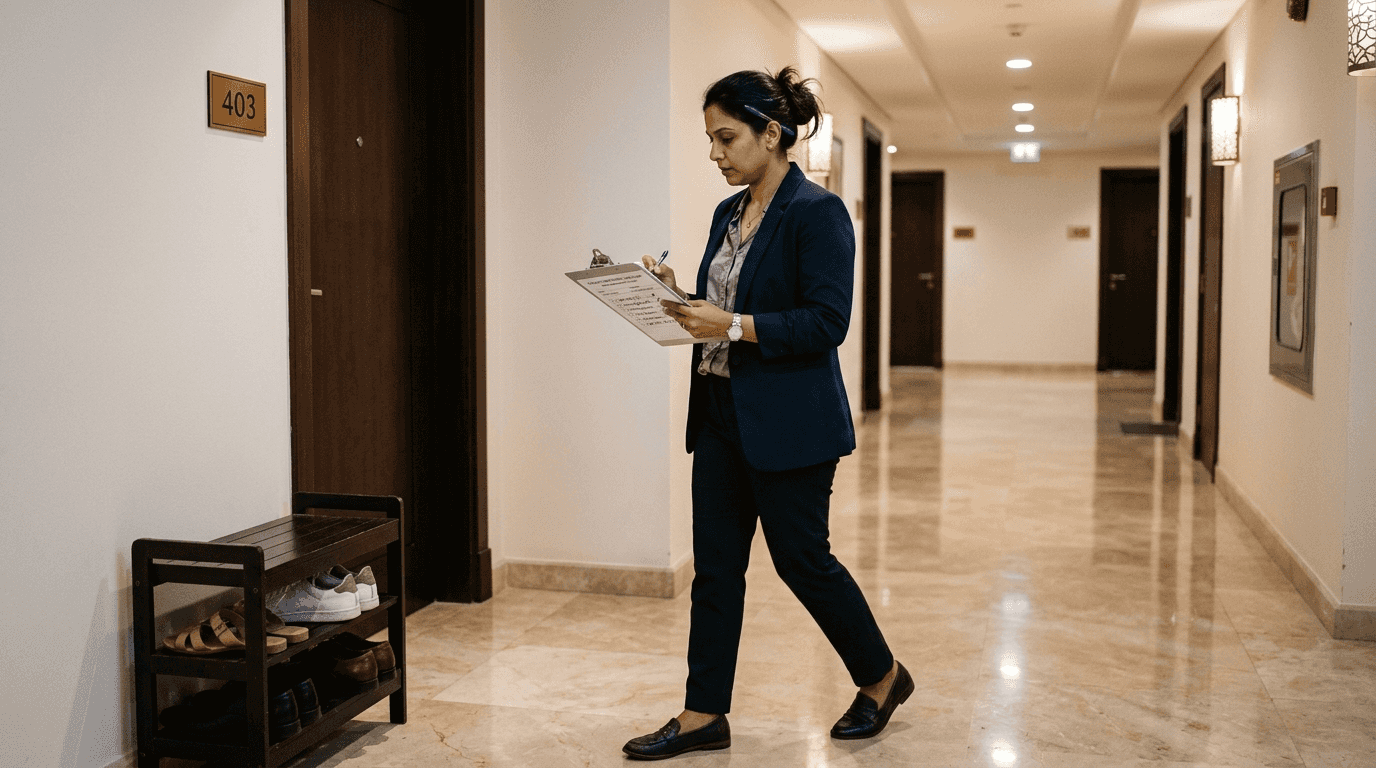
Ongoing performance monitoring separates successful portfolio managers from those who react to problems after significant value erosion. Establish a quarterly review cadence that examines key performance indicators across financial, operational, and market dimensions. Track metrics like net operating income growth, occupancy rates, maintenance cost ratios, and property value appreciation against your initial projections.
Real-time data access through property management software eliminates guesswork and enables evidence-based decisions. Modern platforms integrate rent collection, expense tracking, maintenance requests, and market comparisons into unified dashboards. You can spot emerging issues like declining occupancy in specific buildings or rising costs in certain property types before they become systemic problems.
Key verification activities include:
- Comparing actual versus projected cash flows to identify performance gaps requiring intervention
- Benchmarking your properties against comparable listings to ensure competitive positioning
- Reviewing tenant satisfaction scores and renewal rates as leading indicators of future vacancies
- Analyzing maintenance patterns to predict major capital expenditure needs
- Monitoring regulatory changes affecting property taxes, rental caps, or foreign ownership rules
When performance diverges from expectations, evaluate whether to hold, renovate, or sell each underperforming asset using objective criteria. The 20% transaction growth in 2025 creates liquidity for repositioning portfolios through strategic disposals and replacements.
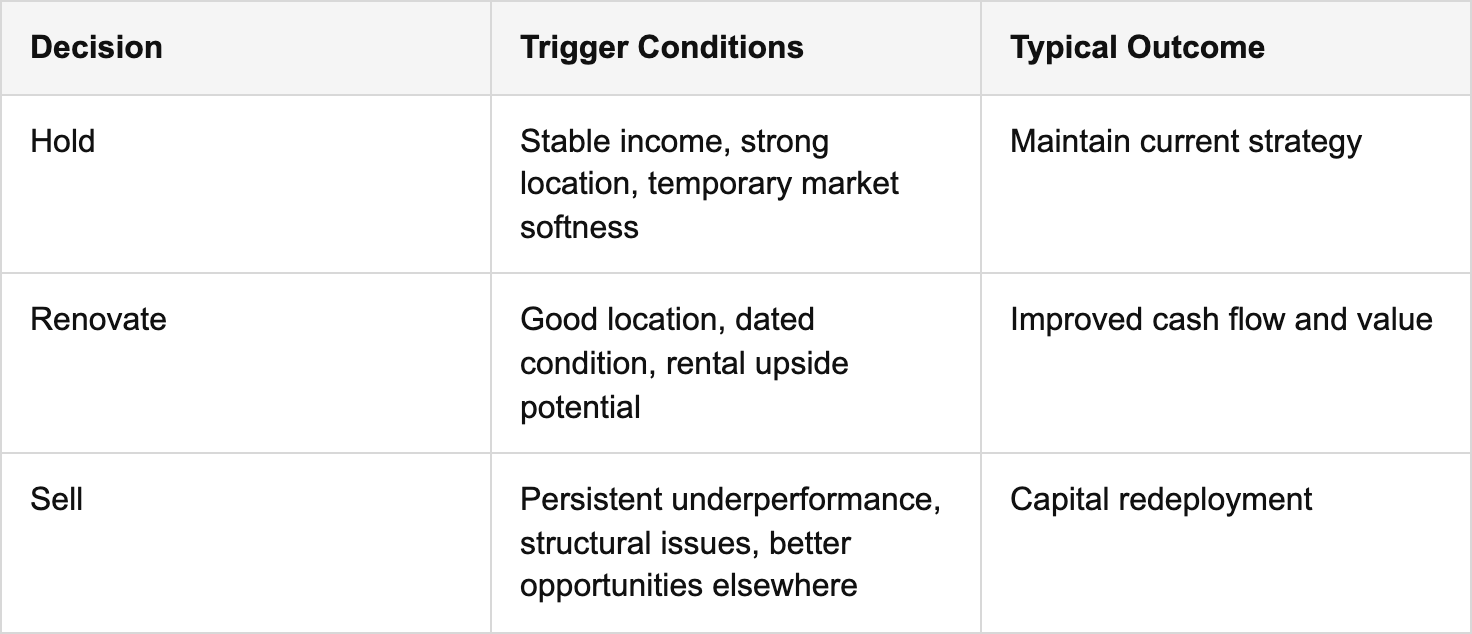
Periodic professional valuations and risk assessments provide external validation of your portfolio’s health. Market conditions shift faster than many investors recognize, making annual expert reviews worthwhile for significant holdings. These assessments inform whether your asset allocation matches evolving market dynamics and personal financial goals.
Applying essential Dubai real estate investment tips for success during reviews helps maintain strategic focus. Understanding Dubai property taxes and transfer fees ensures accurate net return calculations when comparing hold versus sell scenarios.
Discover expert guidance on managing your Dubai property portfolio
Navigating Dubai’s complex property market while managing an international portfolio demands specialized expertise and local market intelligence. Whether you’re optimizing existing holdings or planning strategic expansions, professional guidance accelerates results while avoiding costly mistakes.

Partner with experienced Dubai property portfolio specialists who provide personalized strategies based on current market conditions and your specific investment objectives. Access comprehensive support spanning portfolio evaluation, growth planning, tenant management, and regulatory compliance. Exclusive opportunities and proven management frameworks help you maximize returns while minimizing operational headaches. Connect with experts who understand the nuances of international property ownership in Dubai’s dynamic 2026 market.
FAQ
How often should I review the performance of my Dubai property portfolio?
Quarterly reviews provide optimal balance between staying responsive to market changes and avoiding reactive decision making based on short-term fluctuations. This cadence allows you to identify emerging trends, adjust strategies promptly, and catch underperformance before it significantly impacts overall returns.
What are the key legal considerations for international investors in Dubai?
International investors must understand Dubai property taxes and transfer fees, which include 4% transfer fees on purchases and varying service charges by emirate. Compliance with evolving rental regulations, ownership documentation requirements, and visa-related property thresholds prevents penalties. Engaging local legal advisors ensures you navigate these complexities correctly.
How can I finance additional property acquisitions within my portfolio?
Leveraging equity in appreciated properties through refinancing creates capital for new acquisitions without selling existing assets. Many investors also explore mortgage restructuring, portfolio loans covering multiple properties, or partnering with other investors to access larger opportunities. Consult financial specialists experienced in financing property portfolios for tailored strategies matching your risk profile.
Should I self-manage properties or hire professional management services?
International investors almost universally benefit from professional management services due to time zone differences, language barriers, and unfamiliarity with local tenant expectations. The cost, typically 5% to 10% of rental income, often pays for itself through higher occupancy rates, faster issue resolution, and regulatory compliance. Self-management makes sense only if you’re Dubai-based with significant real estate experience.
What property types offer the best growth potential in Dubai for 2026?
Emerging neighborhoods near new infrastructure projects, affordable residential units serving Dubai’s expanding workforce, and commercial spaces in free zones show strong growth indicators. However, optimal choices depend on your investment timeline, risk tolerance, and portfolio diversification needs rather than following generic trends. Balanced portfolios typically blend established premium areas with selective emerging zone exposure.


