

Real Estate Mentorship Guide for Strategic Dubai Investments
Every investor faces the challenge of turning ambitious visions into clear, actionable steps in Dubai’s real estate market. Without a structured approach, opportunities can slip through the cracks or simply fail to match your financial goals. Working alongside an experienced mentor brings clarity and discipline, turning vague ideas into specific, measurable investment goals that drive real progress. This guide reveals how mentorship transforms strategy, aligns priorities, and helps you capitalize on Dubai’s unique investment advantages.
Table of Contents
- Step 1: Define Investment Goals With A Mentor
- Step 2: Select The Right Real Estate Mentorship Program
- Step 3: Implement Strategic Investment Action Plans
- Step 4: Verify Progress And Optimize Results
Step 1: Define Investment Goals with a Mentor
Your investment goals are the compass guiding every decision you make in Dubai’s real estate market. Without clarity here, you’ll chase opportunities that don’t align with your financial vision or risk comfort. A mentor helps you translate vague aspirations into actionable targets.
Start by assessing your current financial situation honestly. How much capital can you deploy? What’s your timeline for returns? Are you seeking monthly cash flow or long-term appreciation? Your mentor will ask these hard questions.
Setting specific, measurable investment goals gives your strategy direction and keeps you motivated through market cycles. Work with your mentor to define both short-term objectives (acquiring your first property within 12 months) and long-term ones (building a portfolio of five commercial properties).
Consider these goal categories:
- Cash flow goals: Monthly rental income targets from residential or commercial properties
- Capital appreciation goals: Expected property value growth over 5, 10, or 15 years
- Portfolio diversification goals: Mix of off-plan developments, secondary market purchases, or commercial real estate
- Risk tolerance: Your comfort level with market volatility and investment leverage
Your mentor translates your financial dreams into SMART goals—specific, measurable, achievable, relevant, and time-bound targets that actually work in Dubai’s market.
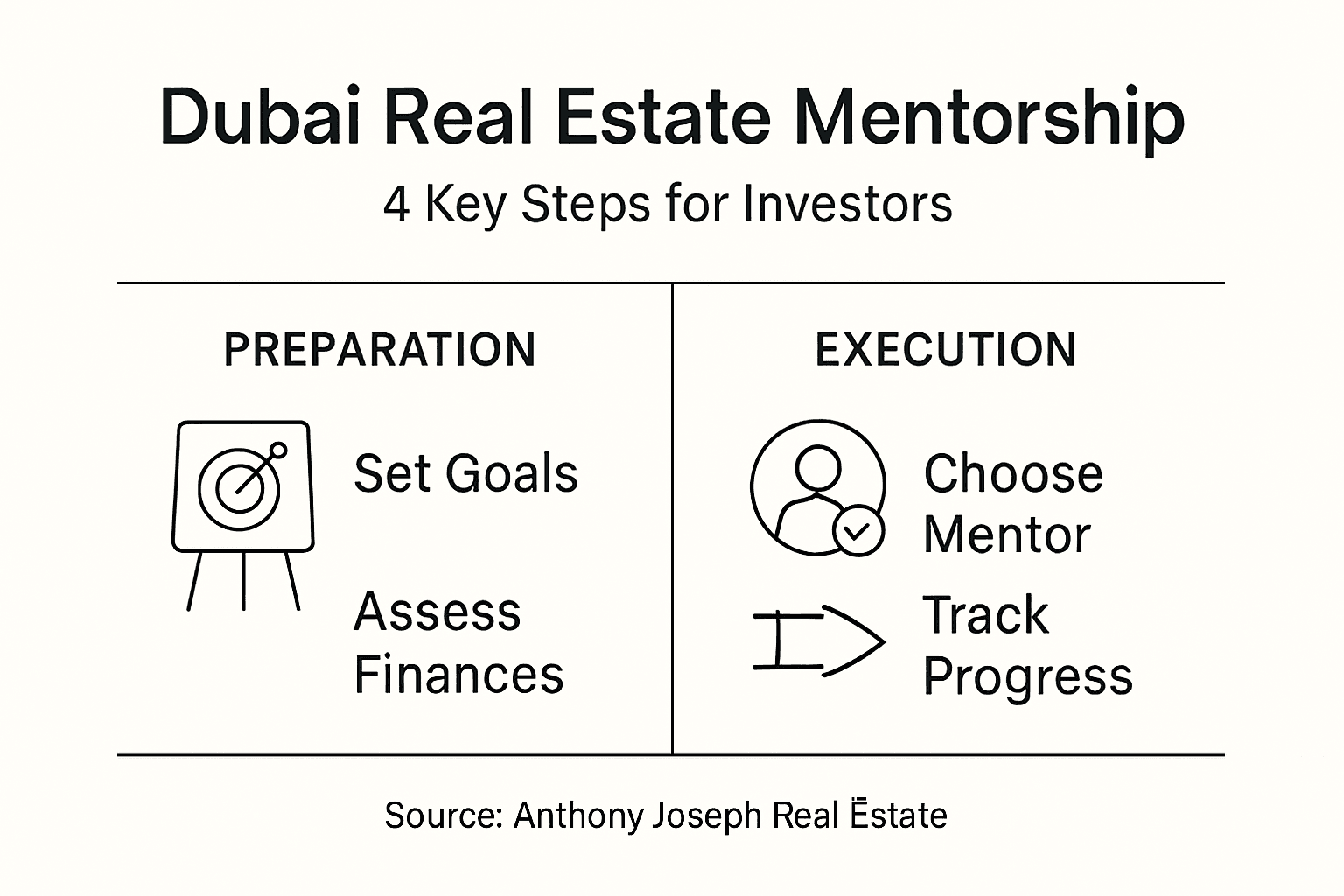
Mentors help investors assess their finances and create actionable steps to track progress. They’ll challenge vague statements like “make good returns” and push you to articulate “achieve 8% annual rental yields while building 15% capital appreciation.” This specificity matters enormously.
Your mentor will also help you align your goals with Dubai’s unique advantages. Are you investing for tax efficiency? Visa sponsorship benefits? Currency diversification? Each motivation shapes different property types and strategies.
Pro tip: Write your investment goals down and review them quarterly with your mentor—market conditions evolve, and your priorities may shift, so revisit these targets at least four times yearly to stay aligned.
Step 2: Select the Right Real Estate Mentorship Program
Not all mentorship programs deliver the same value. You need to evaluate options carefully to find one that matches your investment style, timeline, and Dubai market focus. The wrong program wastes time and money; the right one accelerates your success significantly.
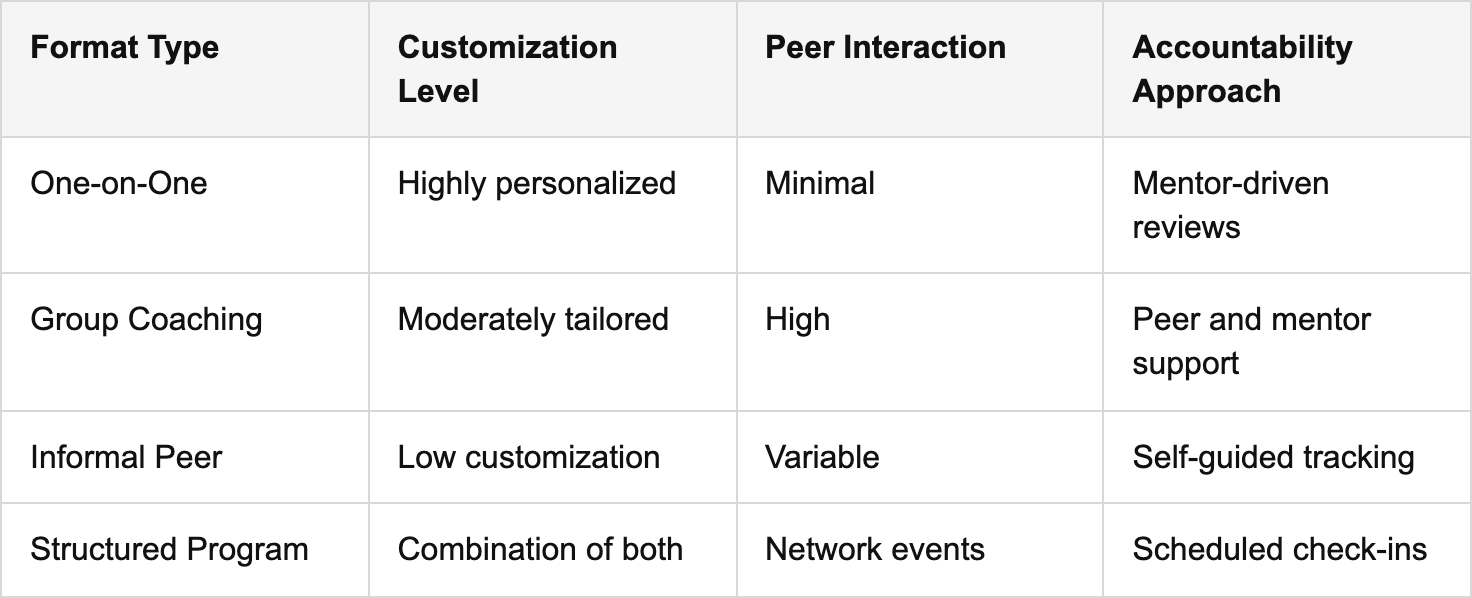
Start by understanding what format works best for you. Do you prefer one-on-one coaching where a mentor tailors everything to your specific situation? Or does group mentorship appeal to you because you learn from other investors’ questions and challenges? Some investors benefit from informal relationships with experienced peers, while others need structured accountability.
Selecting the right mentorship program requires careful evaluation of the mentor’s experience, teaching ability, and alignment with your investment goals. Look for these critical markers:
- Track record: Has the mentor actually built wealth in Dubai real estate? Ask for case studies or client references.
- Teaching ability: Can they explain complex strategies clearly? Do they simplify without oversimplifying?
- Program structure: Does it offer personalized feedback, networking opportunities, and accountability mechanisms?
- Niche alignment: Do they specialize in off-plan investments, commercial real estate, or residential rentals?
- Learning resources: Are you getting worksheets, market analysis tools, or just conversations?
Quality mentorship programs provide structured guidance, networking with other investors, personalized feedback, and accountability to help you avoid costly mistakes.
Different mentorship formats such as one-on-one coaching and group programs serve different investor needs. A mentor’s expertise matters less if they cannot customize guidance based on your specific niche and goals. Ask prospective mentors how they adapt their teaching to Dubai’s freehold versus leasehold dynamics, visa implications, and tax structures specific to your situation.
Interview at least three potential mentors or programs. Ask about their investment philosophy, how they stay current with Dubai market changes, and what happens if you disagree with their advice. The role of your real estate agent also matters—ensure your mentor works well with the professionals you’ll hire.
Pro tip: Request a trial session or introductory call before committing to any program—this reveals whether the mentor’s communication style matches yours and whether they truly listen to your specific goals.
Here’s a quick comparison of mentorship program formats for Dubai real estate investors:
Step 3: Implement Strategic Investment Action Plans
Defining goals and selecting a mentor gets you prepared. Now comes execution—turning strategy into actual property acquisitions and portfolio growth. This is where most investors stumble because they lack a concrete roadmap.
Your action plan bridges the gap between vision and reality. It outlines exactly which properties you’ll target, how you’ll finance them, and when you’ll exit. Without this specificity, you’ll make emotional decisions instead of strategic ones.

Start with market research and property evaluation. Implementing strategic investment plans involves conducting thorough market research and evaluating properties before acquisitions. Your mentor helps you identify high-potential areas in Dubai—whether that’s emerging neighborhoods in Dubailand, established communities like Downtown Dubai, or commercial districts in Business Bay.
Build your action plan around these core elements:
- Property selection criteria: Define your target property type, location, price range, and yield expectations
- Financial analysis: Calculate cash flow projections, cap rates, and return on investment for each opportunity
- Financing strategy: Determine how you’ll fund acquisitions (cash, mortgages, joint ventures) and optimize for tax efficiency
- Due diligence checklist: Establish inspection, title verification, and tenant screening processes
- Exit strategy: Know when and how you’ll sell or refinance each property
Strategic action plans align with your financial objectives and risk tolerance, ensuring sustainable growth across market cycles.
Strategic plans should include property selection criteria, financing strategies, and exit plans tailored to your goals. Your mentor refines these strategies based on evolving market conditions. Dubai’s real estate market shifts—what worked two years ago may need adjustment today.
Document everything. Create a master spreadsheet tracking properties you’re investigating, their financials, and decision timelines. Schedule monthly reviews with your mentor to assess progress against your plan. If you’re not acquiring properties on schedule, diagnose why and adjust your approach.
Action without structure wastes resources. Structure without action achieves nothing. Your mentor ensures you maintain both.
Pro tip: Build a 90-day action milestone into your plan (identify 10 properties, submit 3 offers, close 1 acquisition)—this creates urgency and prevents your strategy from becoming theoretical instead of practical.
Step 4: Verify Progress and Optimize Results
You’ve defined goals, selected a mentor, and implemented your action plan. Now you need to measure what’s actually working and adjust course when results diverge from projections. This feedback loop separates successful investors from those who plateau.
Progress verification isn’t optional—it’s the engine that drives continuous improvement. Without it, you’ll repeat mistakes and miss optimization opportunities that could significantly boost your returns.
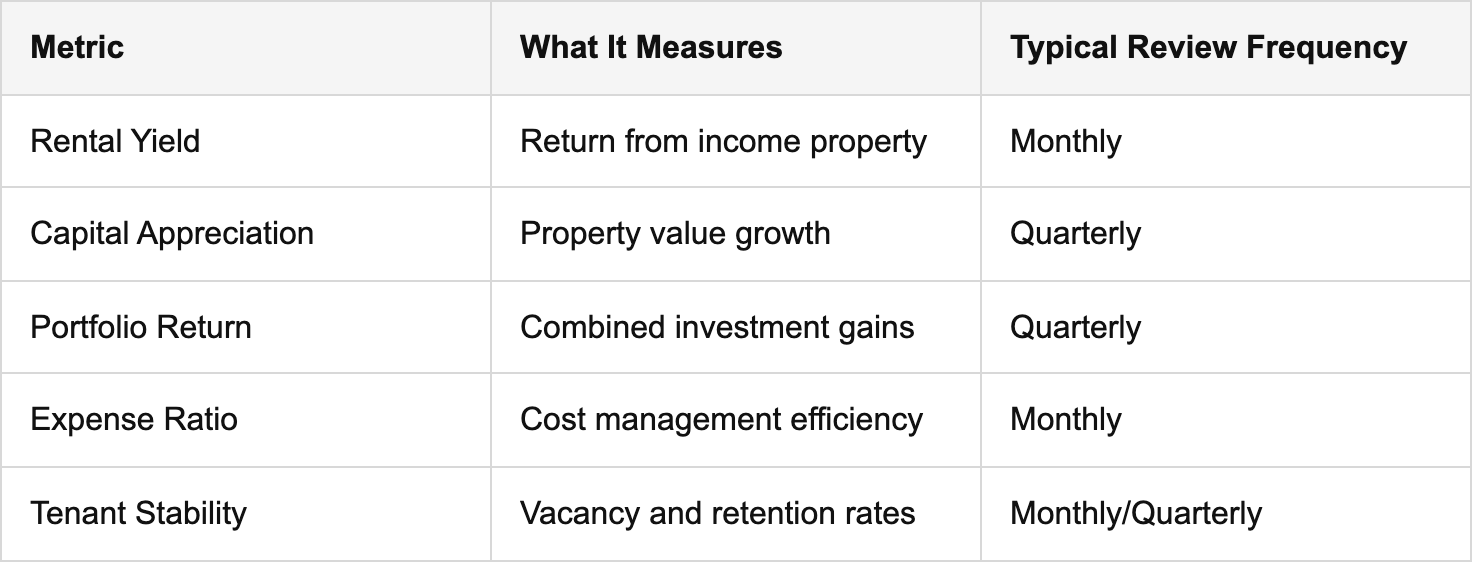
Start by establishing clear key performance indicators (KPIs) tied to your original goals. Progress verification and optimization require tracking measurable goals and analyzing investment performance to adjust strategies in response to market changes. If your goal was 8% rental yields, track actual yields monthly. If you targeted acquiring five properties in 18 months, monitor how many contracts you’ve signed.
Review these critical financial metrics regularly:
- Cash flow performance: Are properties generating the projected monthly income?
- Capital appreciation: Are property values rising as expected in your chosen areas?
- Portfolio return: What’s your blended return across all investments?
- Expense ratios: Are maintenance and management costs tracking to budget?
- Tenant quality: Are vacancy rates and tenant issues within acceptable ranges?
Mentorship support provides accountability and expert feedback to optimize your investment activities and mitigate risks.
Optimization involves revising goals and strategies based on feedback and results. Your mentor helps you interpret the data and decide what changes to make. Maybe your Downtown Dubai property underperformed, but your Business Bay commercial unit exceeded expectations—should you shift future capital there?
Schedule quarterly reviews with your mentor to assess performance against projections. Celebrate milestones when you hit them—closing your first property, achieving positive cash flow, reaching a target portfolio size. These wins build momentum.
Be honest about what’s not working. If you’re consistently missing your acquisition timeline, diagnose why. Is financing more difficult than expected? Are property prices higher than your models assumed? Should you adjust your timeline or your criteria?
Pro tip: Track your actual results in a simple dashboard alongside your projections—seeing the visual comparison every month keeps you accountable and reveals trends faster than quarterly analysis.
Below is a summary of key performance metrics to monitor for ongoing real estate investment success:
Unlock Your Dubai Real Estate Investment Potential with Expert Mentorship
Navigating Dubai’s complex real estate market requires more than just ambition. This article highlights the critical need for clear investment goals, strategic action plans, and consistent progress verification to avoid costly mistakes and achieve sustainable growth. If you find yourself overwhelmed by market volatility or unsure how to transform your financial dreams into specific SMART goals, expert guidance is essential. Experience frustration and uncertainty can be eliminated by working directly with a trusted mentor who understands Dubai’s unique property landscape.

Take control of your investment journey today with Anthony Joseph’s comprehensive real estate solutions. As a highly awarded Dubai-based real estate broker and business mentor, Anthony offers personalized coaching to help you define your goals, select the right properties, and optimize your portfolio’s performance. Whether you seek help with off-plan investments, property management, or corporate setup services, Anthony’s expertise turns complex strategies into actionable success. Don’t wait for market shifts to hold you back. Visit Anthony Joseph, explore his real estate mentorship programs, and start building your Dubai investment portfolio with confidence now.
Frequently Asked Questions
How do I define my investment goals for Dubai real estate?
Defining your investment goals starts with an honest assessment of your financial situation and aspirations. Consult with a mentor to clarify objectives like cash flow, capital appreciation, and risk tolerance; aim to articulate specific targets, such as achieving an 8% annual rental yield within the next year.
What should I look for when selecting a real estate mentorship program?
When selecting a mentorship program, prioritize factors such as the mentor’s track record, teaching ability, and alignment with your investment goals. Interview potential mentors about their experiences in Dubai’s market and their ability to customize guidance based on your specific needs and investment focus.
How can I create an actionable investment plan in Dubai’s market?
To create an actionable investment plan, outline your property selection criteria, financial analysis, and due diligence checklist. Define clear steps needed to acquire your next property, setting milestones to track progress, such as identifying 10 potential properties within 90 days.
What key performance indicators should I monitor for my real estate investments?
Monitor performance metrics such as rental yield, capital appreciation, and overall portfolio return. Regularly review these metrics, ideally on a monthly or quarterly basis, to ensure your actual results align with your investment goals and to make necessary adjustments to your strategy.
How often should I review my investment goals with my mentor?
You should review your investment goals with your mentor at least quarterly to adapt to evolving market conditions and personal priorities. Use these meetings to assess progress toward your goals and refine your strategies to ensure continued alignment with your financial vision.
What steps can I take if my investment performance is not meeting expectations?
If your investment performance isn’t meeting expectations, conduct a thorough analysis of your current strategy and outcomes. Identify areas needing adjustment and discuss these findings with your mentor to refine your approach, potentially shifting investments based on market trends to optimize results.


